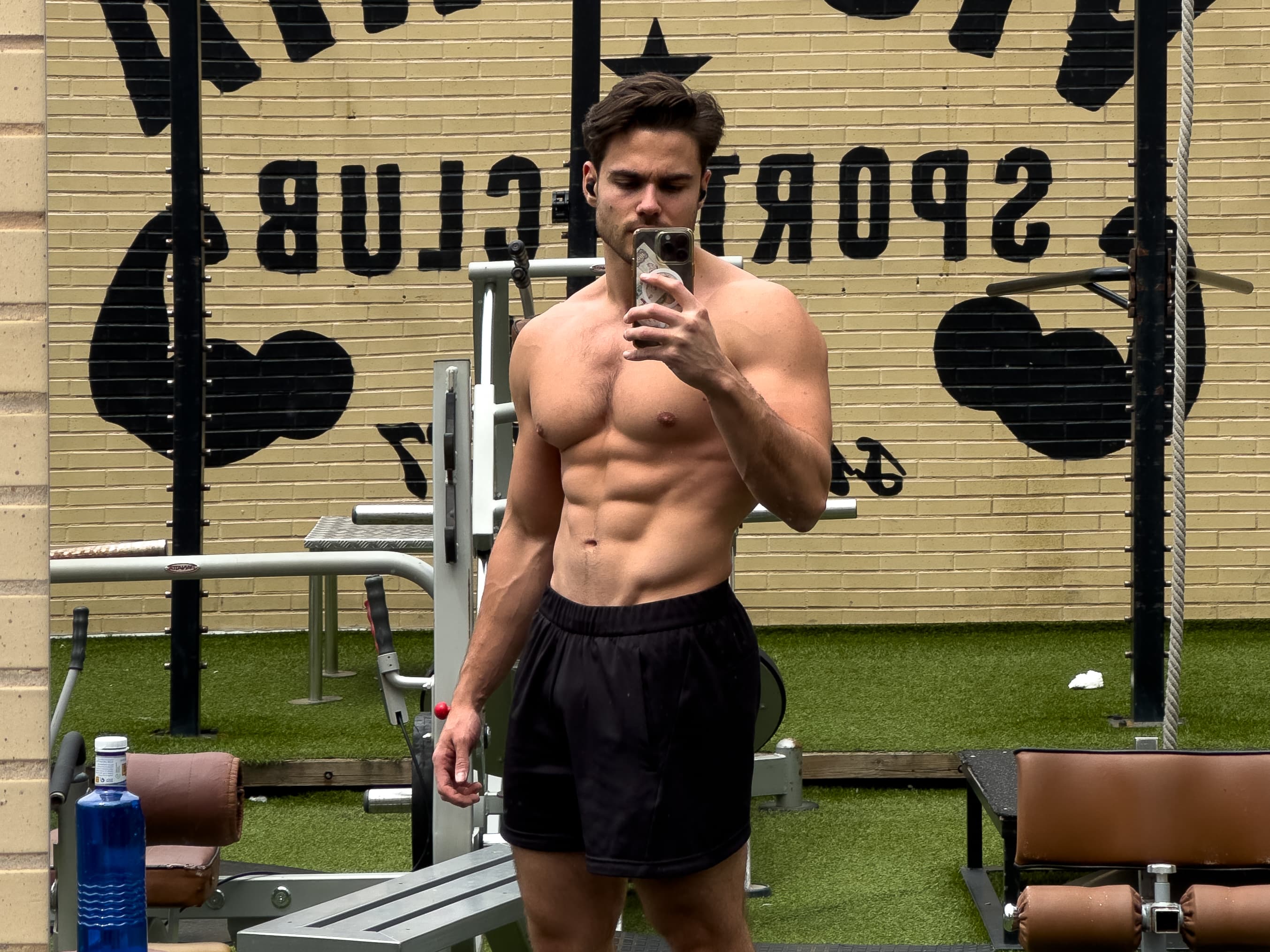
I've been training for 14 years. I started on my 16th birthday. I'm 30 now.
In that time, I've never taken steroids. Never used PEDs. Never done anything beyond creatine, protein powder, and occasionally caffeine before a workout. Completely natural, the entire time.
I'm writing this because the fitness landscape has changed dramatically since I started, and not for the better. Social media is now flooded with physiques that are impossible to achieve naturally, presented by people who claim to be natural. The result is that normal people have completely distorted expectations of what's achievable without drugs.
This is my attempt to set the record straight. Here's what 14 years of natural training actually looks like, including all the phases, mistakes, and lessons along the way.
Year 0: The Starting Point
I started from a bad place. Not dramatically overweight, but soft. Undefined. The kind of body that comes from years of sitting in class, playing video games, and eating whatever was around.
More than the physical state, my mental state was worse. I was insecure about my body. I avoided taking my shirt off. I compared myself to other guys and always came up short. The shame was real and constant.
I walked into the gym on my 16th birthday with no plan, no knowledge, and no one to guide me. I just knew I had to do something.
Years 1 to 2: The Newbie Gains Phase
The first two years were messy but magical.
I learned from fitness magazines because that's what was available. I followed bodybuilding splits that probably weren't optimal. I did exercises with questionable form. I had no real understanding of progressive overload or programming.
But none of that mattered because I was consistent and I was a beginner.
Newbie gains are real. When you've never trained before, your body responds to almost anything. I gained muscle quickly despite doing many things wrong. My body composition shifted noticeably within the first six months.
By the end of year two, I looked like someone who worked out. Not impressive by any standard, but clearly different from where I started. The severe insecurity faded. I could take my shirt off without wanting to disappear.
Key lesson from this phase: Consistency beats optimization. Just showing up regularly matters more than having the perfect program when you're starting out.
Years 3 to 5: The Bodybuilding Phase
This is when I got serious. Too serious, probably.
I dove deep into bodybuilding methodology. Training splits. Isolation exercises. Volume accumulation. Chasing the pump. Reading everything I could find about muscle hypertrophy.
I made progress. My muscles got bigger. I started to look like someone who "lifted." People noticed and commented.
But something was off.
I was getting bigger, but I didn't feel strong. I could do a decent amount of volume, but I struggled with basic movements like pull ups. I had the appearance of fitness without the underlying capability.
I also developed an unhealthy relationship with the mirror. Every workout was about whether I could see changes. Every meal was evaluated by how it might affect my appearance. My self worth became tangled up with my reflection.
Key lesson from this phase: Training for aesthetics creates a fragile foundation. You become dependent on something external and temporary.
Years 5 to 7: The Calisthenics Breakthrough
This is when everything changed.
I discovered calisthenics and street workout culture on YouTube. Guys doing muscle ups, levers, handstands. And they looked incredible, but they weren't training for looks at all. They were training for movements.
I realized I had it backwards. I was trying to sculpt the appearance of an athlete. These guys were just becoming athletes, and the physique followed naturally.
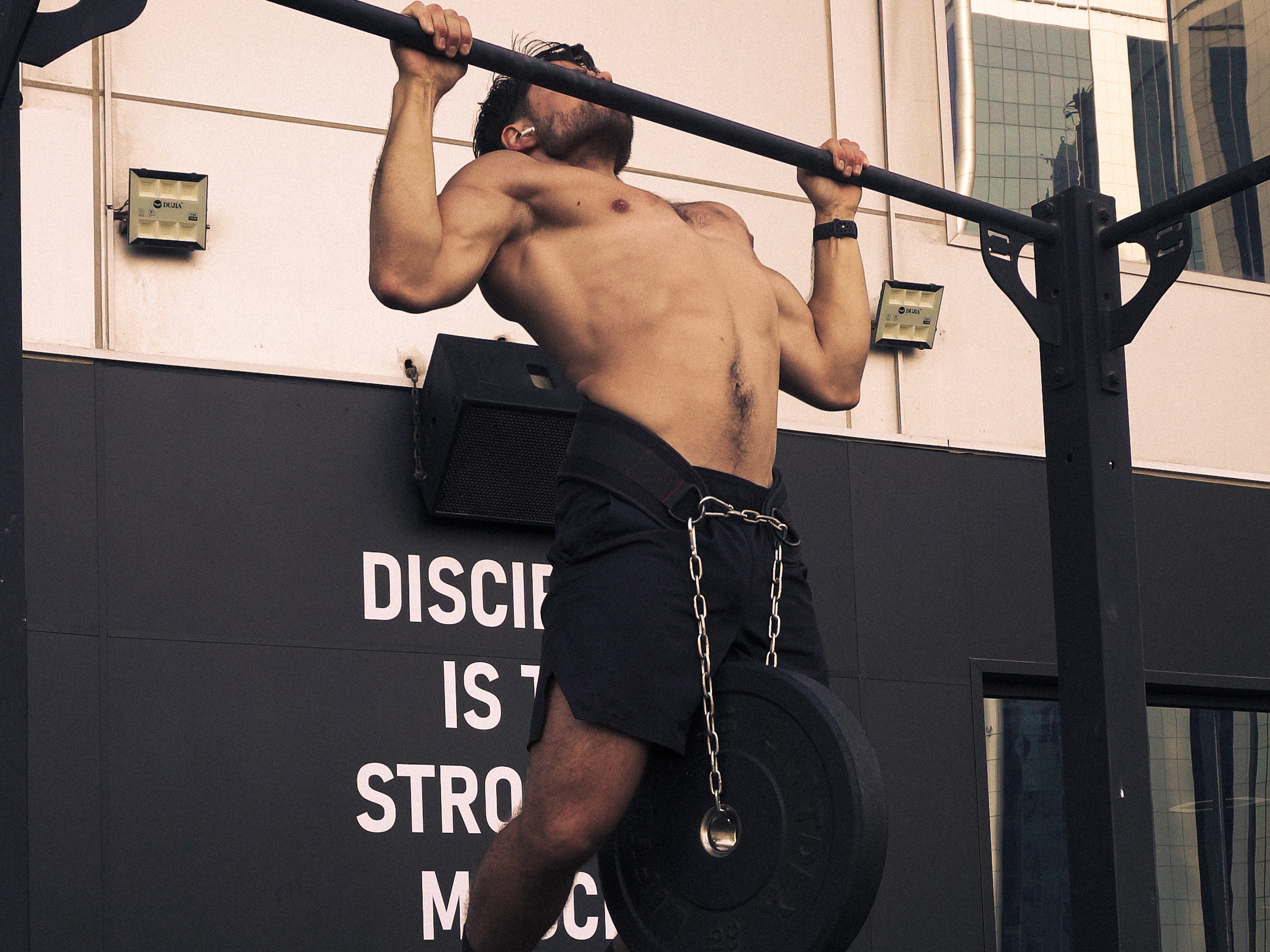
I threw out my bodybuilding split and focused on fundamentals. Weighted pull ups. Weighted dips. Heavy squats. Overhead pressing. Simple movements, progressive overload, consistency.
Within six months, my body changed more than it had in the previous three years. My shoulders broadened. My back developed real thickness. My core tightened without direct ab work. And most importantly, I could actually do things. I felt athletic for the first time.
Key lesson from this phase: Function creates form. Train for capability and the aesthetics follow as a byproduct.
Years 7 to 9: The Exploration Phase
With the fundamentals solid, I started exploring.
I trained martial arts for a while. Picked up elements of gymnastics. Experimented with Olympic lifting. Tried parkour. Learned to move in different ways.
This was about becoming a "movement generalist." I wasn't loyal to any single discipline. I borrowed what worked from each one and ignored what didn't serve my goals.
My guiding question became: "What movements or disciplines produce people who are strong and look the way I want to look?" Then I reverse engineered their training.
I also went through periods of less training during this phase. University got demanding. I started building what would become my career. Life got in the way sometimes.
But I never stopped completely. Even during the busiest periods, I maintained a minimum. A few sessions per week. Basic movements. Enough to hold onto what I had built.
Key lesson from this phase: You don't need to be obsessed to maintain progress. You need to be obsessed to build it, but maintaining is much easier. Seasons of pushing hard and seasons of maintaining are both part of the process.
Year 9: The Injury
This is the part I don't like talking about, but it's important.
At 25, I got impatient. I had been training for almost a decade. I knew the principles. I understood progressive overload and recovery and all the theory. But I ignored what I knew.
I pushed harder than my body could handle. More weight. More volume. Ignoring the warning signs. My joints were complaining, but I told myself to push through.
Then things broke.
I injured multiple joints. Not catastrophically, but enough to require months of modified training and years of management. To this day, I still deal with the consequences of that period.
The worst part? I knew better. I just didn't do better. My ego and impatience overrode my knowledge.
Key lesson from this phase: Your body operates on its own timeline. You cannot force adaptation. Respect the process or pay the price. I paid the price.
Years 10 to 14: The Long Game
The injury fundamentally changed how I think about training.
Before, I was training for now. After, I started training for 70.
I asked myself: what do I want my body to be capable of in 40 years? Not how do I want to look next summer. What capabilities do I want to maintain for the rest of my life?
This changes everything. It removes the pressure. It makes you patient. It makes you prioritize joint health and sustainable practices over short term gains.
I stopped trying to maximize progress. I started trying to optimize for consistency over decades. Less ego lifting. More attention to how movements feel, not just how much weight is on the bar. More recovery. More mobility work. More thinking about the long game.
And paradoxically, my progress improved. When you're not constantly pushing to the edge, you can train more consistently. When you're not injured, you don't lose months to recovery. The tortoise beats the hare.
Key lesson from this phase: Patience is not optional for natural lifters. You're playing a decades long game whether you realize it or not. The sooner you accept that, the better your results.
Where I Am Now
At 30, after 14 years of natural training, here's the reality:
I am in the best shape of my life. Not because I'm at my peak potential, but because I've learned to train sustainably. My physique is the best it's been. My strength is solid. My movement quality is better than it was at 25.
I train three to four days per week. Sessions last about an hour. I focus on compound movements with some accessory work. I don't obsess over my diet. I eat mostly whole foods, prioritize protein, and don't stress about occasional indulgences.
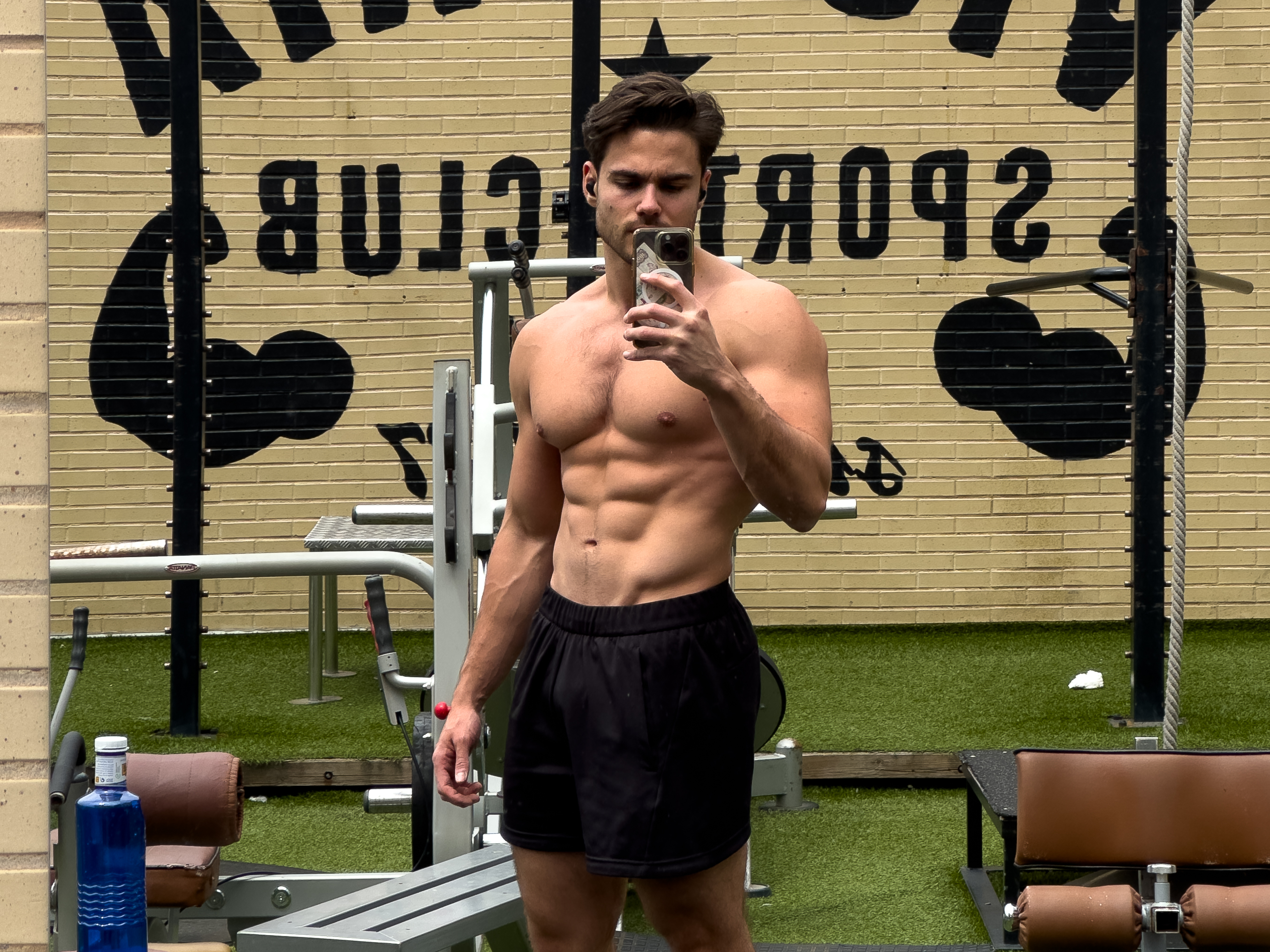
I will never look like the guys on social media with their capped delts and insane vascularity. Because those guys are on drugs, whether they admit it or not. And I'm okay with that. I look like a strong, healthy, natural athlete. That's enough.
What I Want You to Understand
Here's the truth about natural training that nobody tells you:
Progress is slow. You will not look dramatically different in 12 weeks. Real transformation takes years. Plural. Accept this or be constantly disappointed.
Most of your gains come early. The first two to three years produce most of the visible change. After that, progress slows dramatically. You're fighting for smaller and smaller improvements. This is normal.
Consistency beats everything. I've made more progress through showing up regularly for 14 years than I ever could have through any program or protocol. There is no secret. There is only time and consistency.
You need less than you think. Three to four sessions per week. Basic compound movements. Progressive overload. Adequate protein. That's like 90% of what matters. Everything else is details.
The mirror lies. Social media has completely distorted what natural physiques look like. The guys claiming natural with 3D delts and paper thin skin are almost certainly lying. Stop comparing yourself to enhanced physiques and pretending you're failing because you don't match them.
The Realistic Timeline
If you're starting from scratch and want to know what to expect naturally, here's my honest assessment:
Year 1: Noticeable change. You'll look like someone who works out. Probably 60% of your total muscle building potential can be achieved here if you train well.
Years 2 to 3: Continued solid progress. You'll reach maybe 80% of your genetic potential. This is where you start looking genuinely impressive to normal people.
Years 3 to 5: Diminishing returns begin. Progress slows. You're fighting for the last 15 to 20% of your potential. This is where most people get frustrated and either quit or turn to drugs.
Years 5 and beyond: Very slow progress. You're mostly maintaining and making tiny improvements. But this is also where you develop the sustainable practices that let you keep what you've built for life.
The fitness industry doesn't want you to know this timeline because it doesn't sell programs. "Transform your body in 12 weeks" is a better marketing hook than "commit to a decade long process and accept gradual improvement."
But the decade long process is the truth. Accept it and you'll be free. Fight it and you'll be constantly disappointed.
The Payoff
Here's what 14 years of natural training has given me that no shortcut could:
A body that actually works. Not just for photos, but for life. I can do things. Move well. Handle physical challenges. My fitness is functional, not decorative.
An identity that's mine. I am a person who trains. It's not something I do. It's who I am. That identity has carried me through busy periods, injuries, moves across countries, career changes. It's unshakeable because it's built on 14 years of evidence.
Confidence in every other area. If I can figure out my body, I can figure out anything. That belief has driven me to learn new skills, build a company, take risks that scared me. The gym was the laboratory where I proved to myself that I can do hard things.
Longevity. I'm 30 and I'm just getting started. I'll be training at 40, 50, 60, 70. Because I've built sustainable practices, not extreme protocols. I have decades of capability ahead of me, not a peak followed by decline.
None of this comes from a 12 week transformation. It comes from 14 years of showing up.
The Invitation
If you're early in your journey, I want you to understand what you're signing up for.
This is not a short term project. You're not going to look like a fitness model by summer. You're going to spend years building something real, and most of that time the progress will feel frustratingly slow.
But if you commit to the long game, if you accept the timeline and show up anyway, you'll build something that no shortcut can provide.
A body that works. An identity that lasts. Confidence that transfers to everything else.
Fourteen years ago, I walked into a gym as an insecure teenager with no idea what I was doing. Today, I have a body and a mindset that serves me in every area of life.
It wasn't fast. It wasn't easy. But it was worth it.
Start your 14 years today.